


2026 Warehouse and Transportation
Management System Trends:
Accuracy, Speed, and Visibility
Nobody has to tell you about mounting pressure on supply chains. You feel it every day!
Customers are asking for more, which means senior management asks more of you.
When freight costs spike, that ramps up the stakes for being more accurate with every product pull and everything that leaves the dock. Then there’s the fun of solving the daily multi-channel fulfillment puzzle at speed.
You can see why some warehouse teams might be dreading 2026.
We’re taking a look ahead to see where the trends impact real life on the ground. The good news is that more people are waking up to the fact that “good enough”…isn’t good enough anymore.
Where can improving warehouse management system (WMS) and transportation management system (TMS) tools mean a better 2026 for your front-line squad? AI-powered advances will build auto-forecasting into every move you make. The last mile’s going to get a lot smoother.
We’re going to look at several key trends in context of what’s being asked of you every day. And why these trends might mean a better 2026 for you, your team, and your customers.
Summary:
- The integration trend unlocks all the big gains
- WMS, TMS, and OMS will unite against chaos
- AI’s predictive muscle kills mistakes and busywork

1. Warehouse Inventory tracking systems: Real-Time Will Become the New Normal
You already have a warehouse inventory tracking system of some kind. Is it the kind that shows you everything in real time?
Every lag in your picture about what’s in the warehouse makes everything harder. It impacts how well you staff up for a shift. Or a seasonal surge. Or how often you can keep the delivery promise.
In 2026 supply chain teams will demand inventory management systems that give them a “live signal”: A no-lag picture that is constantly refreshed with scanned, mobile, and auto data capture. This will massively reduce the stockouts, the wrong item pulls, and the scramble to reallocate stuff at the last minute.
Before Real-Time Integration
Older, legacy warehouse management systems didn’t talk to other platforms in your supply chain, stock levels were all over the place, and the data in your inventory management system wasn’t up to the minute. Reconciling everything by hand was a huge effort and got you further behind, and not knowing what was in transit distorted the picture further. Getting false signals from your warehouse inventory tracking system was costly.
2026
The adoption of modern systems that deliver real-time knowledge will continue to speed up. Now when inventory moves around inside of the warehouse or hits the road, your warehouse management system already knows where everything is. Every piece shows on your WMS dashboard in one believable picture. Everybody’s making better decisions, faster, and there’s less waste across the board.
2. Inventory Management Systems Will Help the Stock Count Itself
Maybe one day you’ll tell the new hires about the old days, when you had to stop everything for cycle counts. But the new wave of warehouse optimization in 2026 means your system can already pinpoint everything on the floor. This is going to mean a lot less time doing repetitive tasks:
- Pushing racks around
- Manually hunting crates down to know the true inventory level
- Micromanaging your team on every little task
The new wave of warehouse management systems (powered by AI, see Trends #3 and #10) will do more than speed up what’s on your task list: They’ll monitor volume and orders to find more space in your facility. And they’ll group items so everything else goes faster.
3. AI-Backed WMS Systems Will Be Your New Assistant Crew Leaders
Warehouse mobile apps will remove much of the day-to-day friction your team deals with on the warehouse floor. 2026 will be all about wildly easy-to-use mobile-first apps that are dialed into your warehouse management system.
- Because your WMS system already knows where everything is, it will auto-generate the little tasks that get your teammate right to the box.
- New hires or temps are up and running faster because training is streamlined.
- You’ve got an edge on retention because there’s less frustration, confusion, and wasted time. Roster churn is expensive and exhausting.
Pre-AI & Total Visibility
Mis-picks, awkward shipment splits, and extra handling spiked during crunch time. Warehouse, ops, e-commerce, and transportation data were disconnected. Agility on the floor suffered from lack of mobile app muscle. Everybody on the org chart is starting to wonder if there isn’t a better way.
2026
The new all-seeing agile systems hit the ground. AI-assisted mobile apps now dynamically assign tasks. Everything from the pick to the put-away to the cycle count is optimized and routed to your team’s phones. Direction is clear and based on total inventory awareness.
4. Transportation Management Systems Will Play Nice With Everything Else
In 2026, teams that adopt next-gen TMS solutions will have an easier time hitting speed and cost savings, all while making sure your end customer has a good delivery experience.
A lot of this will come from removing silo’s in your WMS and the TMS system. (We’re going to talk more about integration a bit later.) The WMS is giving you more accurate orders staged and ready to go.
Then your TMS system uses that same up-to-the-minute data to plan better routes and help quickly make new game plans in real time. Like the famous general said, “Battle plans rarely survive contact with the enemy.”
With a single line of vision from the order to the pick to the customer’s front door, you can steer around the chaos of last-mile expenses that drive your team crazy and eat up margins.
5. Real-Time TMS Visibility Shows You Happier Customers
“Where’s my order?”
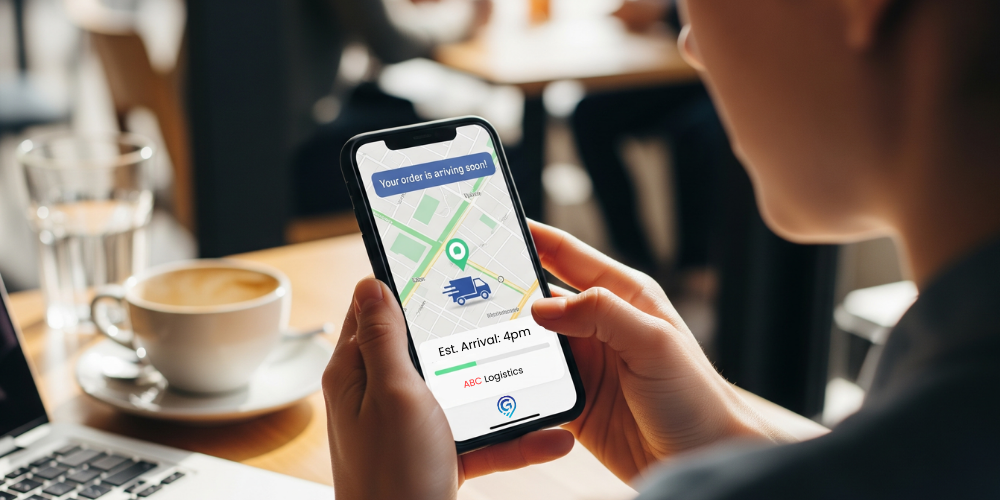
Once you get that improved insight for your own “house,” it easily rolls right into happy customers. Again, next-gen systems mean the warehouse floor and customer comms all run off the same picture. With these in place, in 2026 you’ll have better insight into where the trucks (and the potential delays) are.
Especially in that delicate last mile. Real time last mile delivery tracking software that connects to inventory and the customer is good ops and good service. You can put your name on an ETA and come out looking like champs.
Why this will happen the right way:
- You’re set up to win because WMS and TMS share the same brain
- Real-time last mile delivery tracking software sees every truck, package, and snag
- That info gets rolled right into automated status updates for the customer
The same back end that helps you spot problems before they happen will help you push out answers before your customer even thinks of asking them.
Our prediction: Getting delivery synced with your warehouse means less time spent with customer service issues that shouldn’t happen in the first place.
Giants like Amazon set a high bar for everybody. Customers expect a whole new level of ease. Thankfully, the kind of power that built Amazon is now available in your size.
6. Smart Routing and Dispatching Will Be Way Less Painful
Delivery route optimization and dispatching is one of your toughest puzzles. There’s a lot to be gained and lost on the route map. You have to juggle a massive amount of variables:
- Daily and seasonal traffic
- Availability of drivers and carriers
- Weather
- Delivery windows
Here’s what teams that upgrade are going to have in their favor: This stops being a once-a-day exercise where you make a big plan, then spend the rest of the day correcting the plan when things inevitably change.
In 2026, route planning will be an “always on” feature where the route and your loads are dynamically tweaked throughout the day. Just like agile software that can release new versions of a product several times a day, routing software will constantly adapt and update the plan. It’s a lot more efficient than sweating out a big daily plan that’s likely going to get knocked around by the facts on the ground.
The payoff to smart routing and dispatching will show up in more on-time deliveries, fuel savings, and less wear and tear on vehicles if you run an in-house fleet. Of course, coordinating with 3PL vendors and carriers is another layer to master…
7. Freight Complexity Goes Down Across the Board
This is the year that WMS systems take on the heavy lifting of parcels, loads, and LTL. In 2026 you can look for ways to offload the brainburn with a modern LTL freight management system that helps you:
- Compare constantly shifting rates
- Combine shipments for fewer trips
- Manage carriers without hopping between apps
Before Intelligent WMS
You were burning daylight planning routes that broke on contact with reality. Manual daily or weekly reports had to be stitched together from a bunch of different sources. Batch uploads of data delivered nasty surprises every day or few hours.
2026
Your supply chain team demands continuous insight from a better tool, and gets it. Now you have total visibility into your delivery network. Better location and status means your ETA promises stick. You can now see around corners to reallocate shipments or people.
8. WMS and TMS: The Biggest Wins Come From Integration
We’ve hit this theme before, but we cannot over stress: WMS and TMS systems are all getting better. But when they talk to each other? It’s like having two good bands suddenly turn into an orchestra.
In our post on the hidden costs of warehouse visibility, we threw a light on the blind spots that live in current systems. And how much they can cost you in margin and morale. Inventory can look ready at a glance, but it’s not even staged. Whoops!
A shipment gets planned, but your TMS has no idea what the warehouse realities are. Your delivery promises are way out in front of what your trucks can actually do that day. All these traps and more live in those blind spots.
An inventory management software that integrates with WMS and TMS systems lights all this up. It creates decisions that are easier to make. It creates flow. It helps you spot problems and stop being reactive all day. Is there an exception? You’ll know about it before it turns into a problem everyone can see.
None of this happens without integrating everything inside of a robust system with a universe of smooth APIs. Without taking advantage of modern integration, you’ll still be running on a hand cranked treadmill.
9. Inventory and Order Management Systems: 2026’s Magic Ingredients
Is your crew running a hybrid fulfillment model? In 2026 you have to extend your vision through the whole warehouse. The whole delivery network. And to every wrinkle of e-commerce, retail, and wholesale.
Once you have that end-to-end vision, your order system knows where everything is and can help you prevent stockouts. You can run fulfillment faster, all while building customer loyalty.
The idea in 2026 is to connect your products, orders, and fulfillment into one workflow. Once your transportation management system and warehouse management system know all the same things, what’s to be gained?
• Simpler, more accurate fulfillment
• Less time tweaking orders across all the channels
• Gets the order done with the least travel and waste
• Reduces stock discrepancies
• Lets you scale fast into busy season with fewer mistakes
In 2026 a stronger inventory management system works alongside your order management system. The key: Now these tools know the same constraints as the rest of your system. Orders get routed to the right fulfillment node. Predictive ability is baked in, helping you keep an eye on capacity, location, and shipping costs. That’s a thousand little decisions that either run on autopilot or are a lot easier to make.
10. AI Straps into the Copilot Seat for Good
All those benefits about planning and prediction in this article? Those are going to come from AI applications. You’re probably using some already. Supply chain leaders got their first taste with pilot projects and they’re doubling down.
You’re going to see more of it because here’s where it’s proving out in WMS, TMS, and inventory platforms:
- Forecasting: AI powered demand forecasting tools for retailers inhale massive data sets around historical sales, seasonal demand, and other signals.
- This turns into execution muscle that finds patterns and predicts demand with far greater precision. For example, real time last mile delivery tracking software backed by AI knows when things typically go wrong and can start feeding you proactive alerts.
Even more powerful? AI demand forecasting software compatible with a warehouse management system (WMS) and transportation management system (TMS) integration. These forecasts take massive guesswork off the front end by putting the right stuff in the right place way before the rush hits.
The result is fewer surprises — and fewer expensive reactive decisions.
Takeaways:
- WMS and TMS platforms are converging into unified execution ecosystems
- The Holy Grail is having a single comprehensive view in real time
- Looking to upgrade? Look at the strength of the integrations first