Cloud Based Warehouse Management System

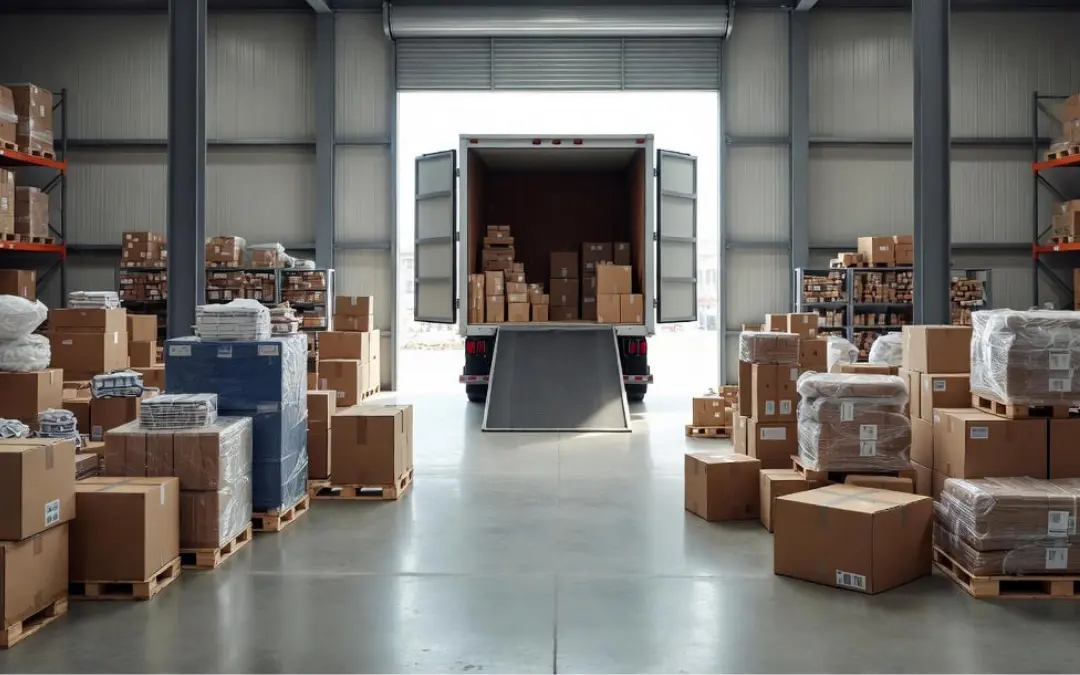
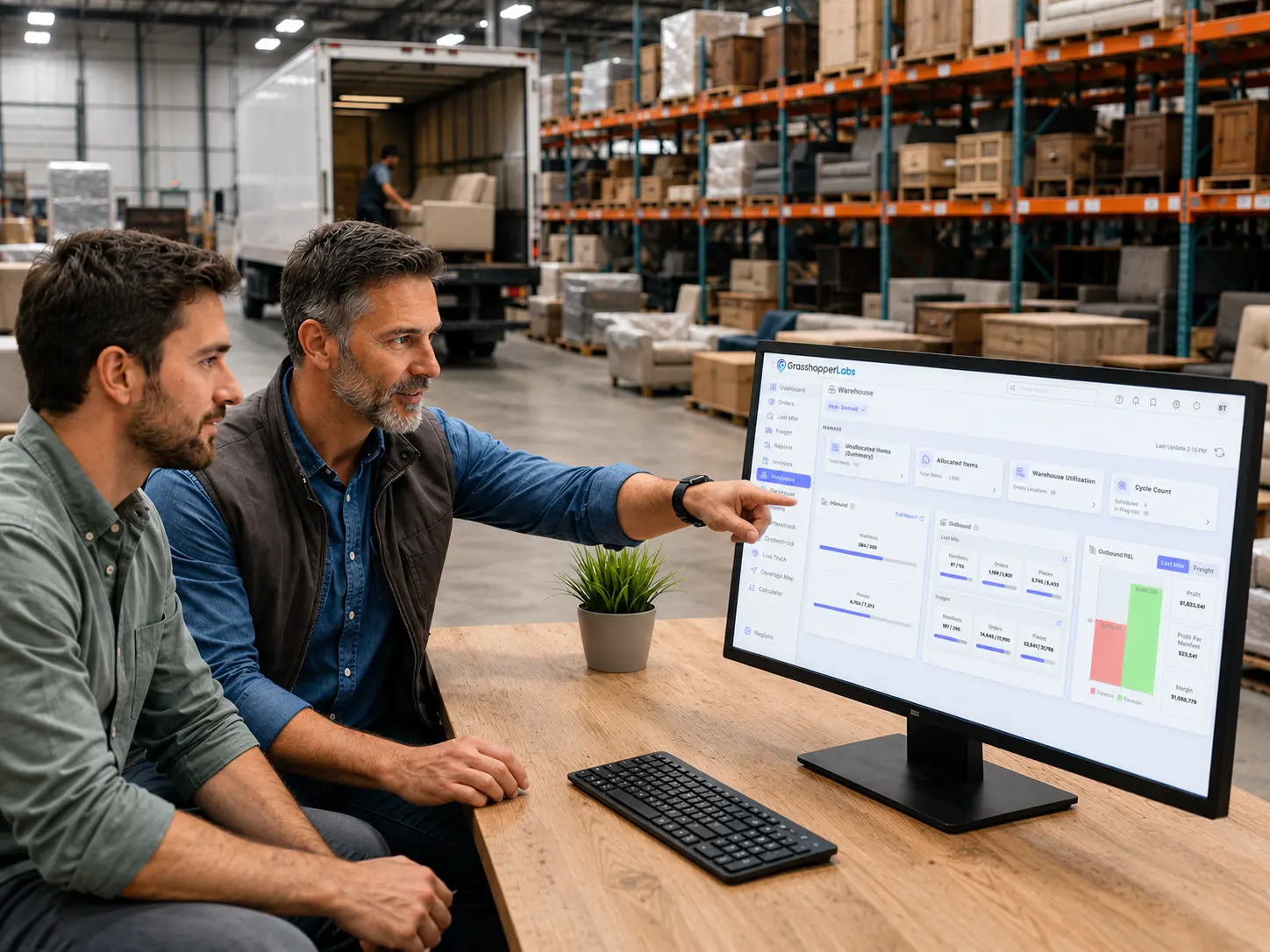
Grasshopper's cloud based warehouse management system tracks every unit from the moment it arrives at the warehouse to the moment it ships. When the count on the screen matches the count on the rack, pickers go straight to the right bin and every delivery date promised at the order is one the floor can keep.

Book a Demo See the ROI

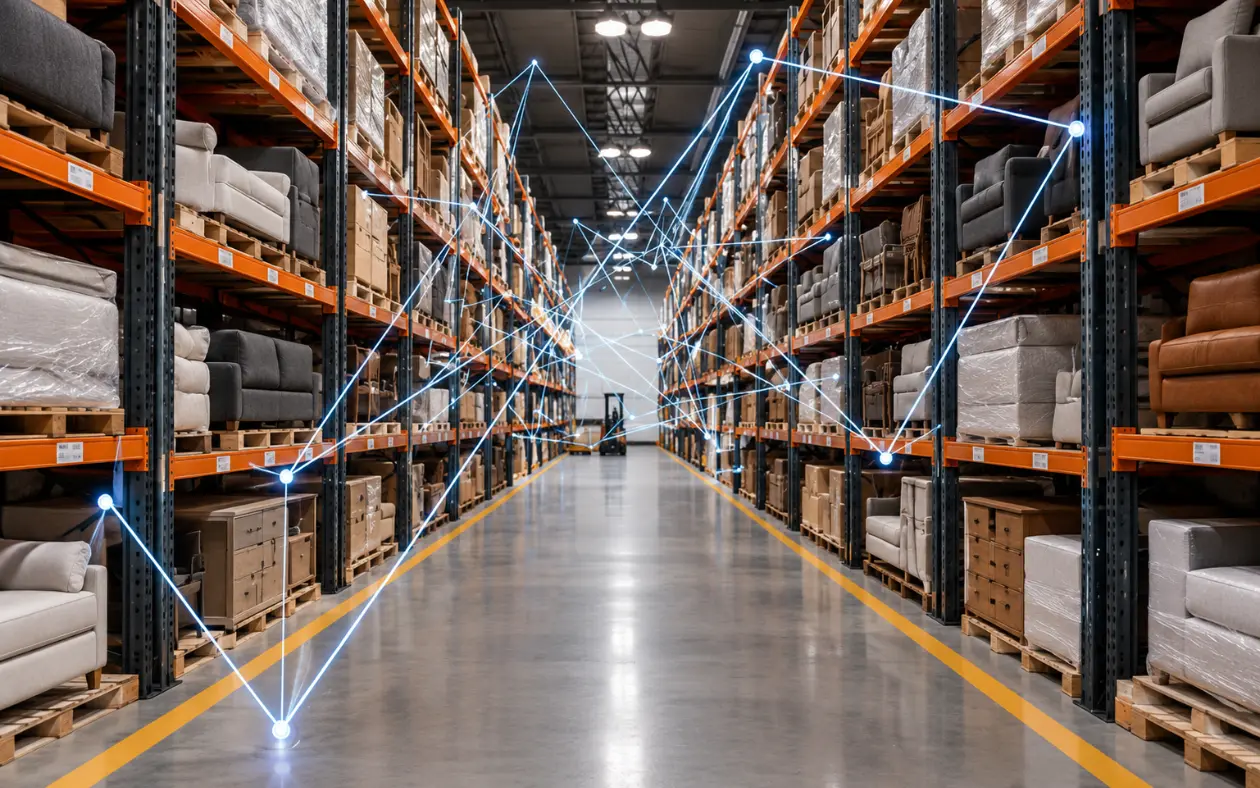
Cloud based warehouse management system showing live inventory across bins and zones

All-in-One Warehouse Management System

From the moment freight arrives at the dock to the moment an order heads out for delivery, connected logistics software modules track every move it makes. A WMS system built for the floor, replacing the clipboards and spreadsheets that sit between receiving and shipping.
All-in-one warehouse management system covering receiving, putaway, picking, and loading
Inventory Tracking
Receiving
Warehouse Mapping
Mobile

Warehouse Inventory Tracking System

Knowing a unit is in the building is not the same as knowing which rack it is on. Grasshopper's warehouse inventory tracking system updates in real time rather than at the end of the shift, so a cycle count becomes a quick confirmation rather than half a day of recounting.

Receiving and Putaway

Inbound freight is scanned against the expected shipment, damage is documented at intake, and putaway is directed to the most optimal bin rather than the nearest one. Because that bin assignment is a decision the software makes, automated warehouse systems keep client stock separated without anyone having to remember where it goes.

Warehouse Mapping and Zones

Warehouse mapping lays out aisles, racks, and bins the way the building actually works, then picks and putaways route against that map. Pick paths shorten because the warehouse system knows which zone comes next, not just which SKU is needed.

Warehouse App

Grasshopper's warehouse app puts receiving, putaway, cycle counts, picking, and loading in the hands of the crew doing the work, with no paper and no walk back to a terminal. Scans write to the inventory record as they happen, so the number the rest of the operation is reading is never more than a moment old.

Warehouse Management System

See Grasshopper in action.

Book a demo and see how Grasshopper's WMS handles a real floor, or run the numbers yourself.

End-to-End Warehouse Management

Four stages cover everything that happens between the dock door and the truck, all running against one inventory record rather than four systems that disagree.

Warehouse inventory tracking system showing unit location, condition, and owner by bin

Warehouse Inventory Tracking

An inventory tracking system is only worth having if the number is right at 4pm, not just at 6am.

Every move writes to the record as it happens: receipt, putaway, relocation, cycle count, pick, and load. Stock is held per client, per location, and per condition, so a damaged unit is never promised to a customer.

That is what makes this a warehouse inventory tracking system rather than a stock list someone updates on Fridays.

Warehouse receiving and putaway software directing inbound freight to the optimal bin

Receiving and Putaway

Most inventory problems start at the dock.

Inbound is scanned against the expected manifest, shortages and damage are documented with photos at intake, and putaway is directed to a bin the system chose rather than the first empty space a crew sees.

Automated warehouse systems make that routing a decision the software owns, which is how a 3PL keeps client stock separate without keeping it in separate buildings.

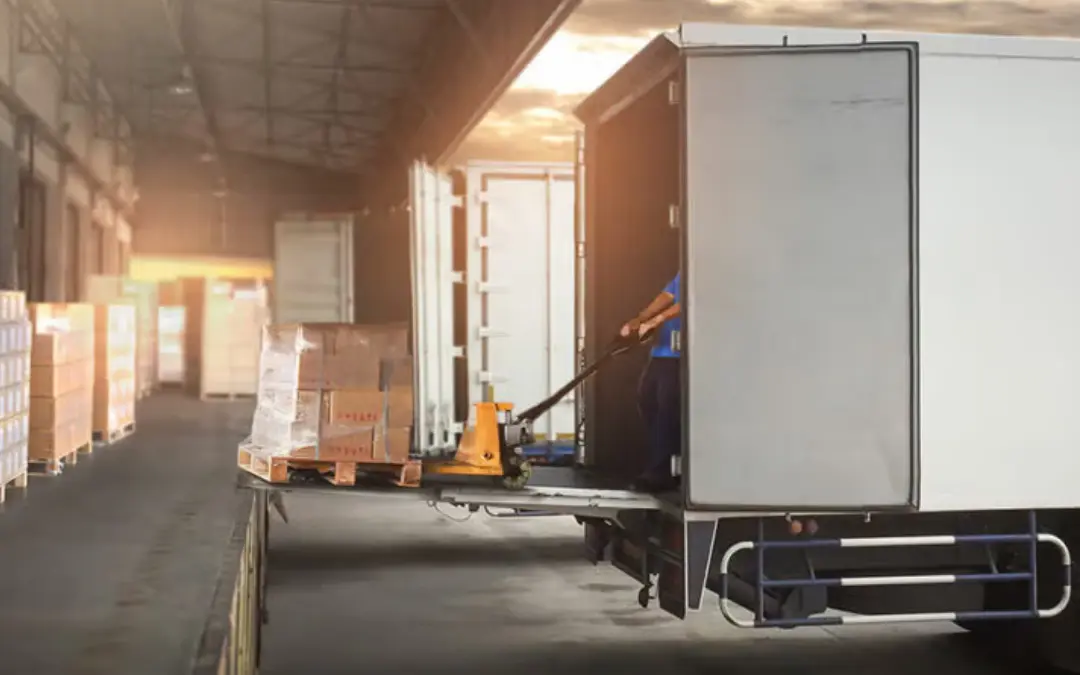
Warehouse picking, staging, and outbound loading tracked to the bin

Picking, Staging, and Loading

A pick path built around the warehouse map beats a pick list built around a spreadsheet.

Orders are grouped, routed through the zones in order, and staged against the door the truck will back into. Cross dock freight skips storage entirely and moves straight from inbound to outbound.

The staged load then hands directly to the route, so the piece count on the manifest is the piece count on the dock.

Warehouse vendor management system handling purchase orders and inbound appointment scheduling

Vendor Management

Inbound freight that arrives unannounced costs a dock door and an afternoon.

Vendor management covers purchase orders, inbound appointment scheduling, and vendor compliance, so receiving knows what is coming and when. Vendor activity connects straight to the receiving workflow rather than sitting in an inbox.

For a 3PL that means every client vendor is booked against the same dock calendar.

Operational Impact

Real results from warehouse operations running on Grasshopper.

0%
Real-Time Inventory Tracking
0%
Product Loss Reduction
0%
Faster Order Fulfillment
See It in Action

WMS for 3PL Operations

A building holding stock for six clients has six sets of rates, six reports, and six people who want to know where their freight is. Grasshopper keeps those apart on paper while the floor runs as one operation, which is the difference poor warehouse visibility quietly costs an operation every week.

🏷️

Stock Separated by Client

Inventory, reporting, and billing stay separate per client while the floor runs as one operation.

📐

Zones That Match the Building

Warehouse mapping reflects the real aisles and racks, so pickers stop crossing the building twice for one order.

📊

Reporting Per Account

Accuracy, throughput, and dwell time can be cut by client, so each one sees only their own numbers.

Mobile

Two Apps, One Record

The person on the warehouse floor and the person at the customer door both work from a phone. A scan in the aisle and a signature at delivery write to the same inventory record, which is why the count never has to be reconciled between them.

On the floor

Warehouse App

Everything the floor does, recorded by the person doing it.

  • Inbound and outbound operations
  • Receiving, put-away, picking, and loading
  • Task management across the floor
On the road

Driver App

The last hop, with the proof attached before the truck pulls away.
  • Single and multi-day routing
  • ePOD with signatures and photos
  • Service ticket management on the stop

Warehouse Dashboard
& Custom Reports

Inventory accuracy, receiving throughput, pick rates, and dwell time sit beside each other rather than in separate tools.

Dashboards update as the shift runs, so a bay falling behind is visible while there is still time to move people to it. Reports can be cut per client, per zone, or per shift, which matters when one building answers to several accounts.

Warehouse management dashboard showing inventory accuracy, receiving throughput, and pick rates
Warehouse team using the Grasshopper Labs WMS system mobile app on the floor

A Modern WMS System
for Modern Warehousing

Grasshopper puts the whole floor on one connected platform, purpose-built for warehouses handling big and bulky goods.

Whether running a single building or coordinating across a network, logistics and warehouse management sit on the same record, so the warehouse and the truck are never working from different numbers. There is a measurable case for integrating the WMS and the TMS rather than running them side by side.

Warehouse Management System

See Grasshopper in action.

Book a demo and see how Grasshopper's WMS handles a real floor, or run the numbers yourself.

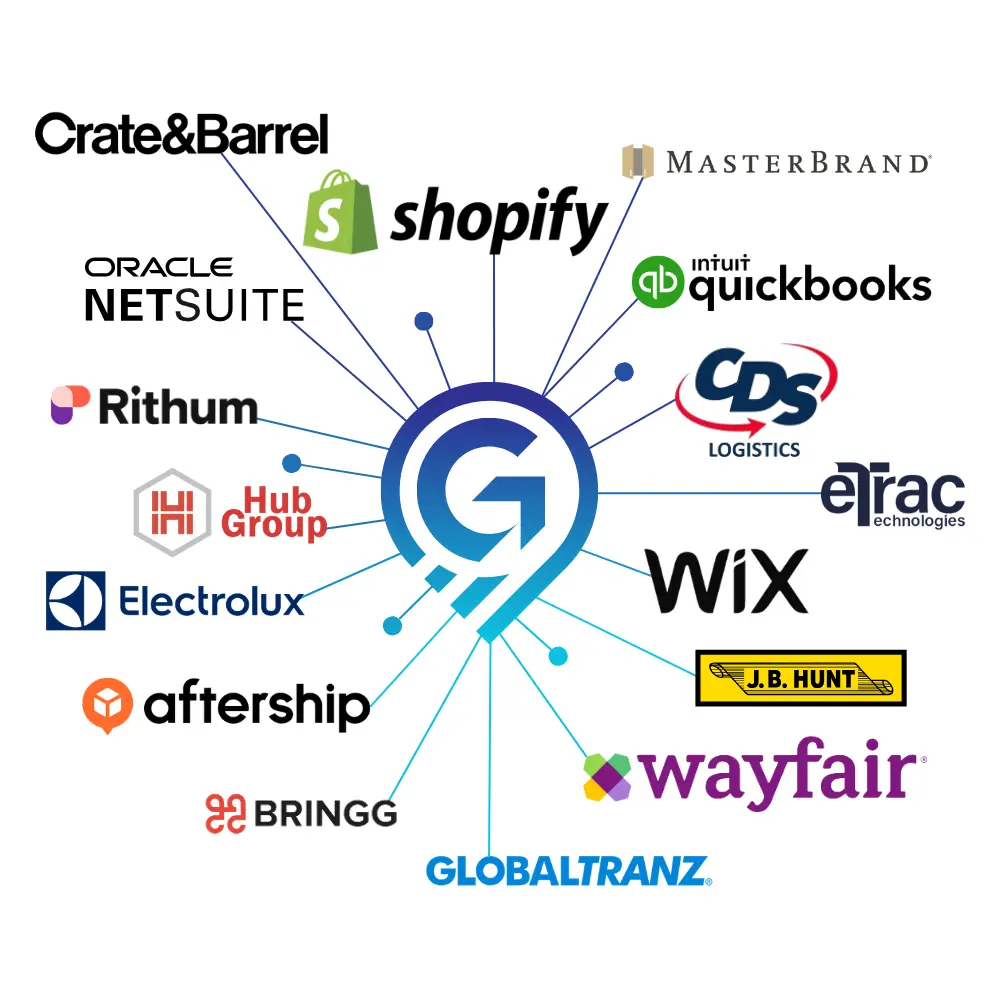
Warehouse management system integrations connecting ERP, accounting, carrier networks, and ecommerce platforms

Integrations

A warehouse rarely gets to pick the systems its clients use. Orders arrive from an ecommerce platform one week and an ERP the next, and the stock figure has to reach both. With 100+ integrations, Grasshopper takes those orders in and sends the inventory position back out without anyone rekeying a line.

  • Ecommerce platforms and marketplaces
  • Carrier networks and EDI
  • Accounting, led by QuickBooks
  • ERP, POS, and barcode hardware
View Integrations

Warehouse Management System FAQ

What is a cloud based warehouse management system?

A cloud based warehouse management system tracks inventory, directs receiving and putaway, routes picking, and manages outbound staging from a browser rather than software installed on site. Grasshopper's WMS system records every move as it happens, so the stock figure is accurate at the end of a shift rather than at the start of one.

What is a warehouse inventory tracking system?

A warehouse inventory tracking system records where each unit is, what condition it is in, and who owns it, updating on the scan rather than on a schedule. In Grasshopper that record is shared with picking, loading, and the transportation side, so the piece count on the manifest matches the piece count on the dock.

Does the WMS work for 3PL warehouses?

Yes. WMS for 3PL operations needs client stock, reporting, and billing kept separate while the building runs as one floor. Grasshopper holds inventory per client, per location, and per condition, and reports can be cut by account so each client sees only their own numbers.

What does the warehouse app do?

The warehouse app puts receiving, putaway, cycle counts, picking, loading, and task management on a phone, so the person on the warehouse floor records the work as they do it rather than writing it down and entering it later. Every scan writes to the same inventory record the office and the transportation team are reading.

Talk to our team

See Grasshopper in action.

Tell us what the building holds and who it is held for. Schedule a personalized demo or send a question, and our team replies within one business day.

Grasshopper Labs team member ready to discuss warehouse management systems

From the blog

Eyes on the road

Loading...
Loading latest posts…
Book a Demo